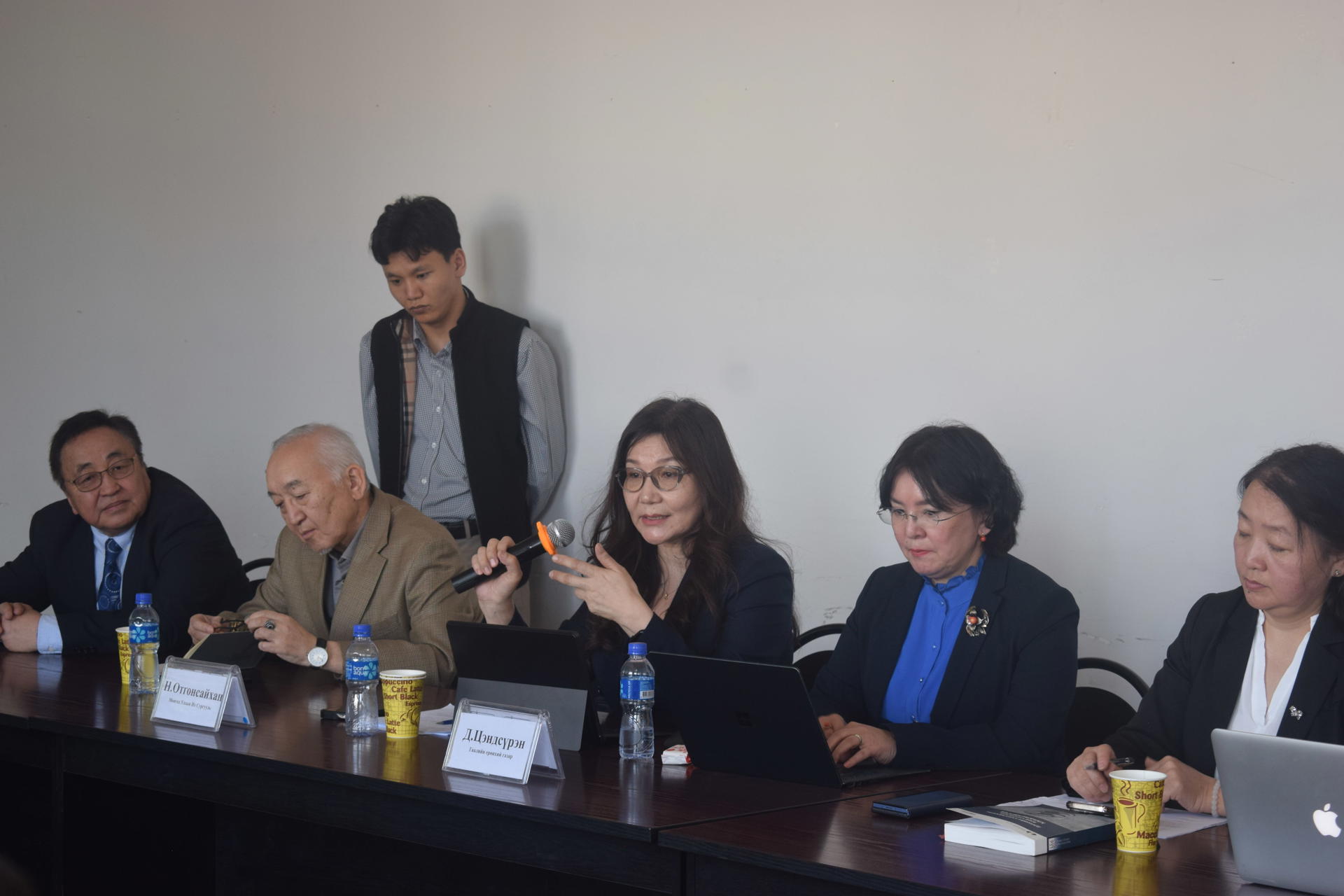

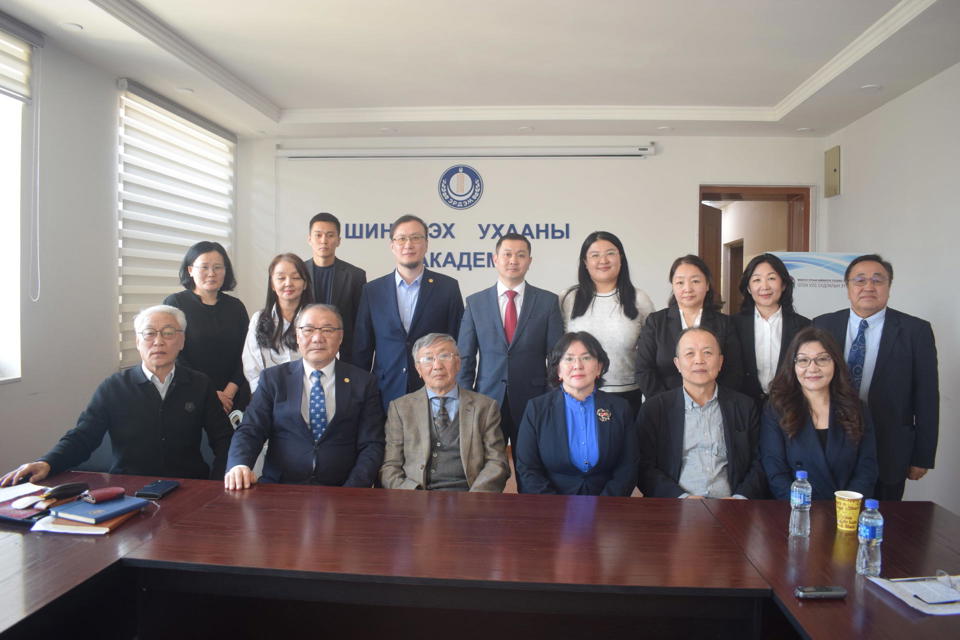
On April 27, 2026, the Institute of International Studies at the Mongolian Academy of Sciences organized an academic discussion titled “The Eurasian Economic Union and Mongolia: Opportunities and Challenges.”
The discussion, which brought together a broad range of stakeholders, examined the implementation of the interim trade agreement concluded between Mongolia and the Eurasian Economic Union (EAEU) and its member states, as well as its implications for economic and trade policy, including export and import dynamics, and the opportunities and challenges ahead.
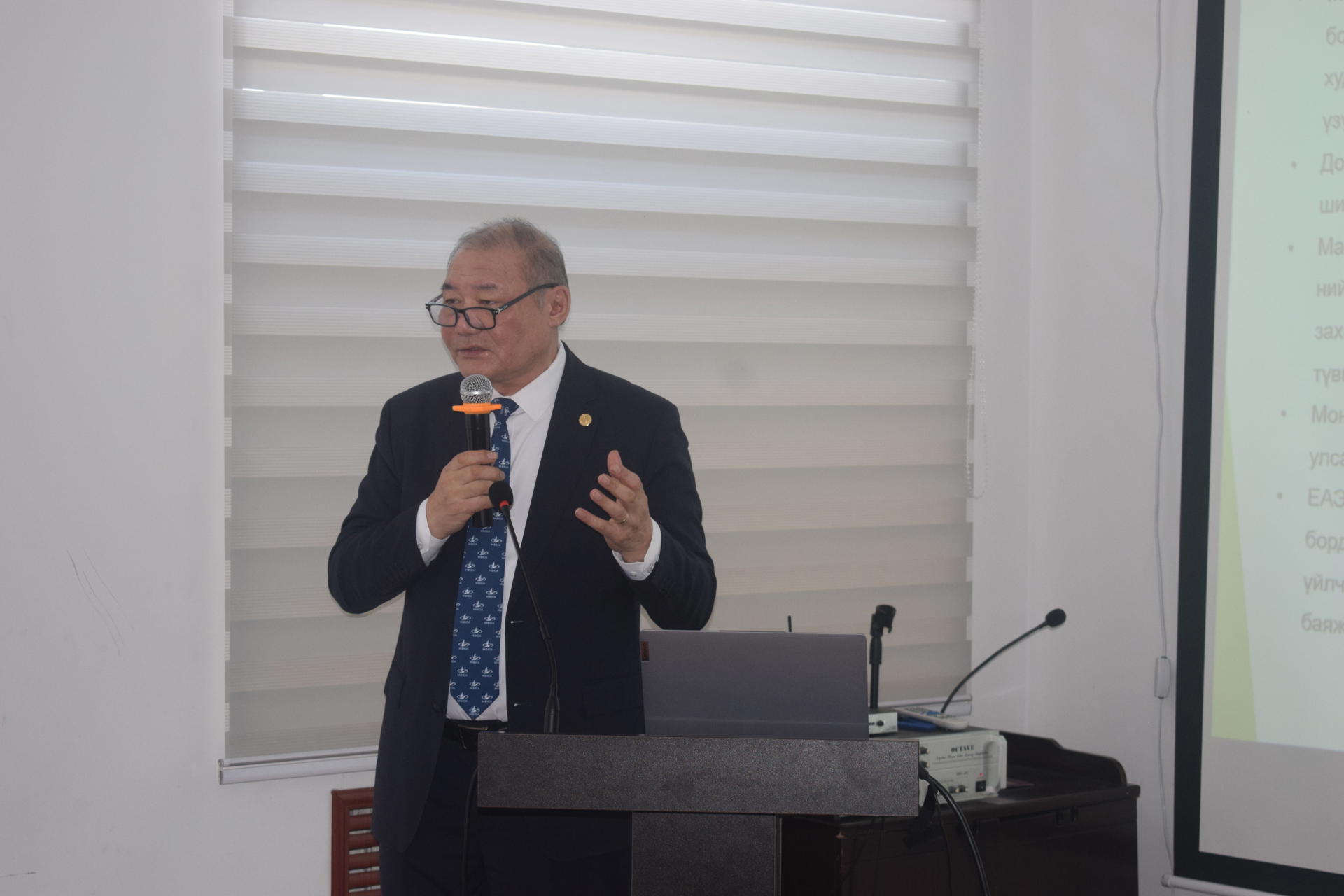
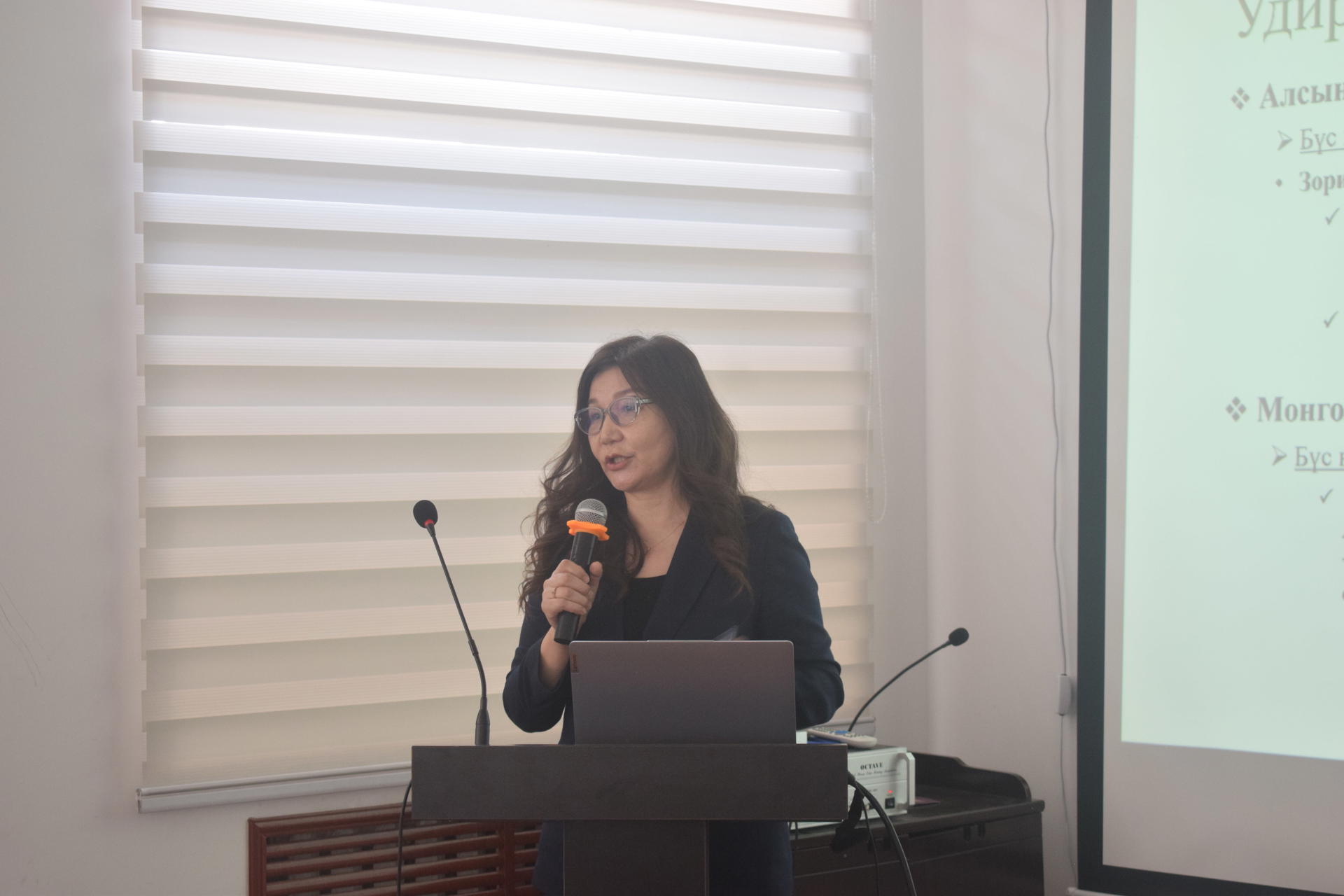
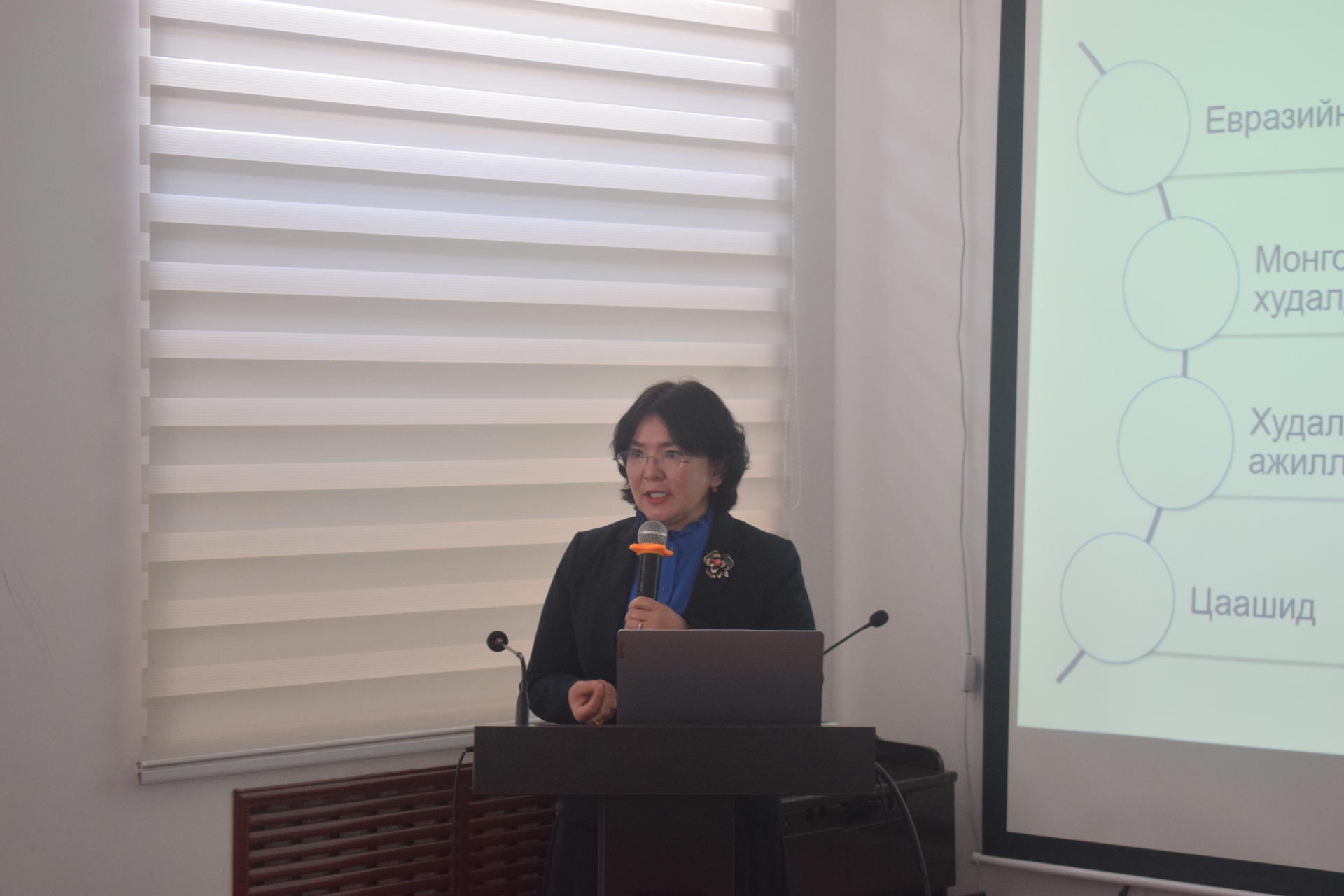
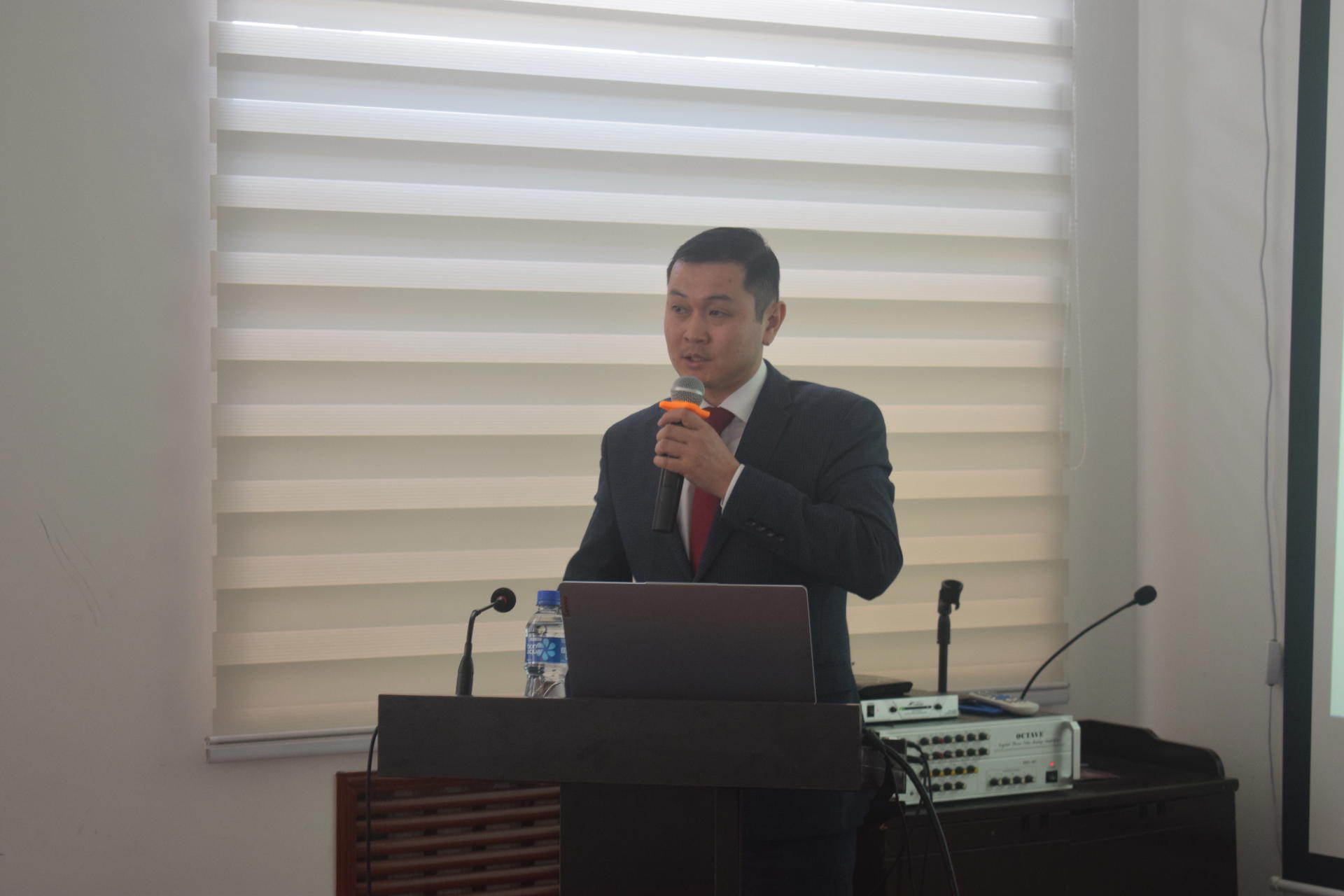
At the discussion, Leading Research Fellow at the Institute of International Studies, Professor A. Davaasuren (Sc.D), presented a paper titled “The Current State of Trade between Mongolia and the Eurasian Economic Union (EAEU) and Its Member States.” Professor N. Otgonsaikhan (Ph.D) of the Business School at the National University of Mongolia spoke on “The Impact of the Interim Trade Agreement between Mongolia and the EAEU and Its Member States on Mongolia’s Foreign Trade.” Dr. D. Tsenduren (Ph.D), Chair of the Ethics Subcommittee of the General Authority for Customs, presented on “Trade Facilitation and Institutional Cooperation Arrangements.” In addition, a briefing was delivered by the Trade and Economic Cooperation Policy Department of the Ministry of Economy and Development.
The discussion was attended by representatives from the Secretariat of the National Security Council of Mongolia; the Trade and Economic Cooperation Policy Department of the Ministry of Economy and Development; the Institute for Strategic Studies under the National Security Council; the Institute for Security Studies; the National University of Mongolia; the Defense Research Institute; and the University of the Humanities. Representatives from business entities and non-governmental organizations also participated, engaging in a broad exchange of views.
It is worth noting that the Interim Trade Agreement concluded between Mongolia and the Eurasian Economic Union (EAEU) and its member states on June 27, 2025, was ratified by the State Great Khural of Mongolia on December 12, 2025. The agreement is valid for a period of three years and provides for import tariff concessions covering 367 categories of goods at the Harmonized System (HS) line level, with an equal number of items agreed upon by both parties.
Under the agreement, tariffs of 15–50 percent imposed on Mongolia’s agricultural exports—particularly those of livestock origin—are to be reduced. The agreement also provides for the possibility of reducing import tariffs by up to 89 percent on 42 categories of machinery and goods that are not produced domestically but are essential for construction and industrial production. Furthermore, it includes provisions to address non-tariff barriers, such as completing bilateral customs clearance within four hours, representing an important step toward trade facilitation.
During the discussion, participants emphasized the need to assess the implementation of the agreement; to explore the inclusion of strategically important imported goods not currently covered; to eliminate persistent non-tariff barriers affecting Mongolia’s exports; and to identify policy measures to mitigate risks arising from the geopolitical environment.
The discussion served as an important platform for consolidating recommendations and conclusions aimed at enhancing the effectiveness of Mongolia’s foreign trade policy in alignment with national interests.
Prepared by: E. Buyanbileg, Researcher at the Department of Russian Studies